

Forecasting Crypto Returns with a Simple MLP in PyTorch
A practical walkthrough of building a small multi-layer perceptron in PyTorch to forecast hourly crypto returns.
 Joao TeixeiraJuly 8
Authors
Co-founder & Chief Researcher
I’ve spent over two decades in quantitative finance, leading research and risk at firms like Winton, Aspect, and Solaise Capital. My work focuses on building robust models, analyzing market efficiency, and turning data into practical trading insights.
A practical walkthrough of building a small multi-layer perceptron in PyTorch to forecast hourly crypto returns.
Joao TeixeiraJuly 8
Part III of the Hyperliquid client series covers private API endpoints, secure EIP-712 signing, and comprehensive order management. It offers practical guidance for account functions, error handling, and safe Testnet experimentation before transitioning to Mainnet.
Joao TeixeiraMay 8
TRX and JST performance has been resilient in 2006 while most of the markets have faced challanges.
Joao TeixeiraApril 10This hands-on continuation of the Hyperliquid client series focuses on implementing and using public /info endpoints. It details key data retrieval functions such as funding rates, candlesticks, and order books, and establishes a foundation for robust, production-ready API interactions.
Joao TeixeiraApril 8A practical, developer-focused introduction to building a Python client for Hyperliquid perpetual futures from scratch. Covers core concepts like APIs, orderbooks, and perps while setting up the foundation for querying data and interacting with the exchange.
Joao TeixeiraMarch 17
In this blog we explore how funding keeps the perpetual and spot prices tied.
Joao TeixeiraJanuary 28
In the final part of our Crypto 101 series, we shift from theory to practice, guiding you through how to buy your first cryptocurrency securely and avoid common beginner pitfalls.
Joao TeixeiraDecember 3In Part 2 of our Crypto 101 series, we explore the broad spectrum of crypto investment instruments and strategies, building on the foundational concepts introduced in Part 1. Each investment method has its own structure, risks, and opportunities.
Joao TeixeiraNovember 19Part 1 of our Crypto 101 series introduces the fundamentals of cryptocurrencies, explains how they differ from traditional investments, and explores their emerging role as a distinct asset class.
Joao TeixeiraOctober 29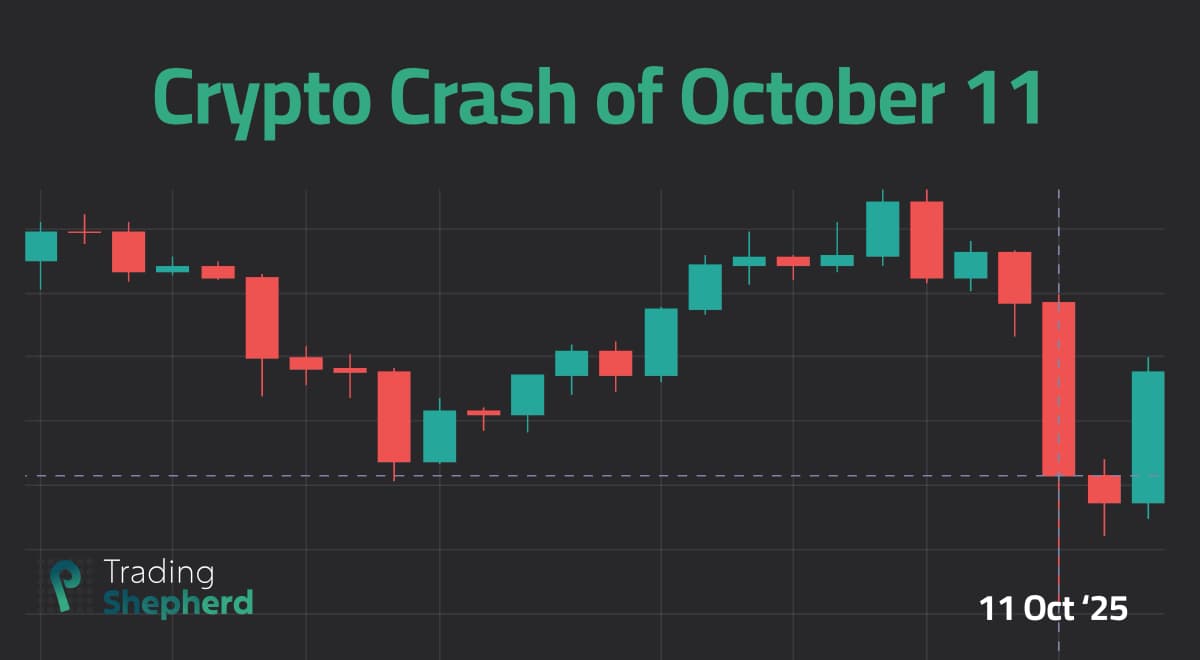
Analysis of the October 11 crypto crash: what triggered historic liquidations, how design flaws amplified losses, and key lessons for market resilience.
Joao TeixeiraOctober 13

In this post, I build a simple blockchain in Python, focusing on mining, cryptography and the creation of the first coin.
Joao TeixeiraJune 24
Test Bitcoin market efficiency using BTCUSDT data. Explore the Efficient Market Hypothesis (EMH) with statistical tools and trading insights.
Joao TeixeiraMay 25
What causes Bitcoin's price swings? Discover how ARCH models and volatility analysis help traders understand and manage crypto market risk.
Joao TeixeiraMarch 30
The Technical Indicators Encyclopedia is a reference guide for our users. This resource helps you understand, compare, and apply key indicators with confidence.
Joao TeixeiraMarch 18
Explore Solana trading with Shepherd's Momentum. Compare binary signals to buy-and-hold using real market data.
Joao TeixeiraMarch 16



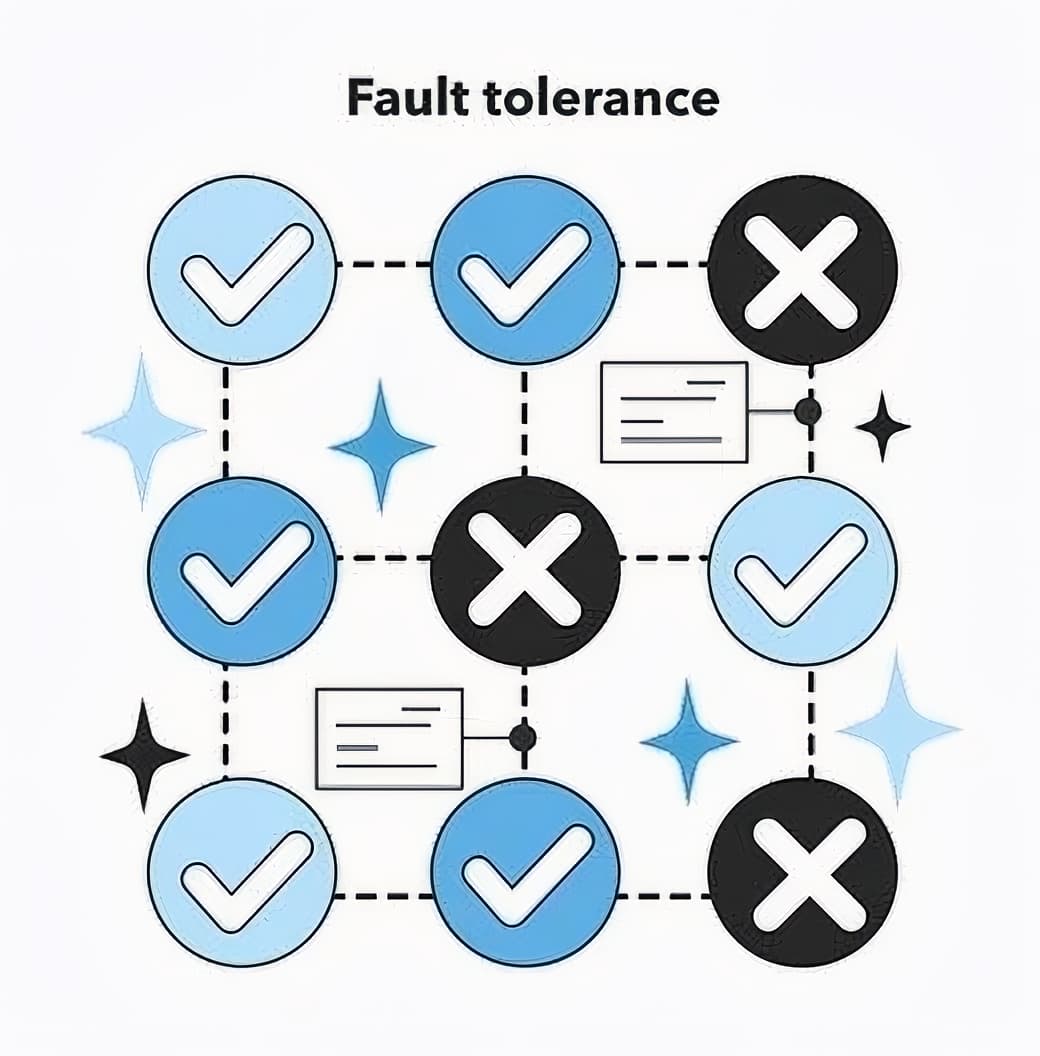
A brief introduction to Byzantine fault tolerance
Joao TeixeiraFebruary 2
A brief introduction to Non Fungible Tokens
Joao TeixeiraJanuary 31
A brief introduction to Consensus Protocols
Joao TeixeiraJanuary 30